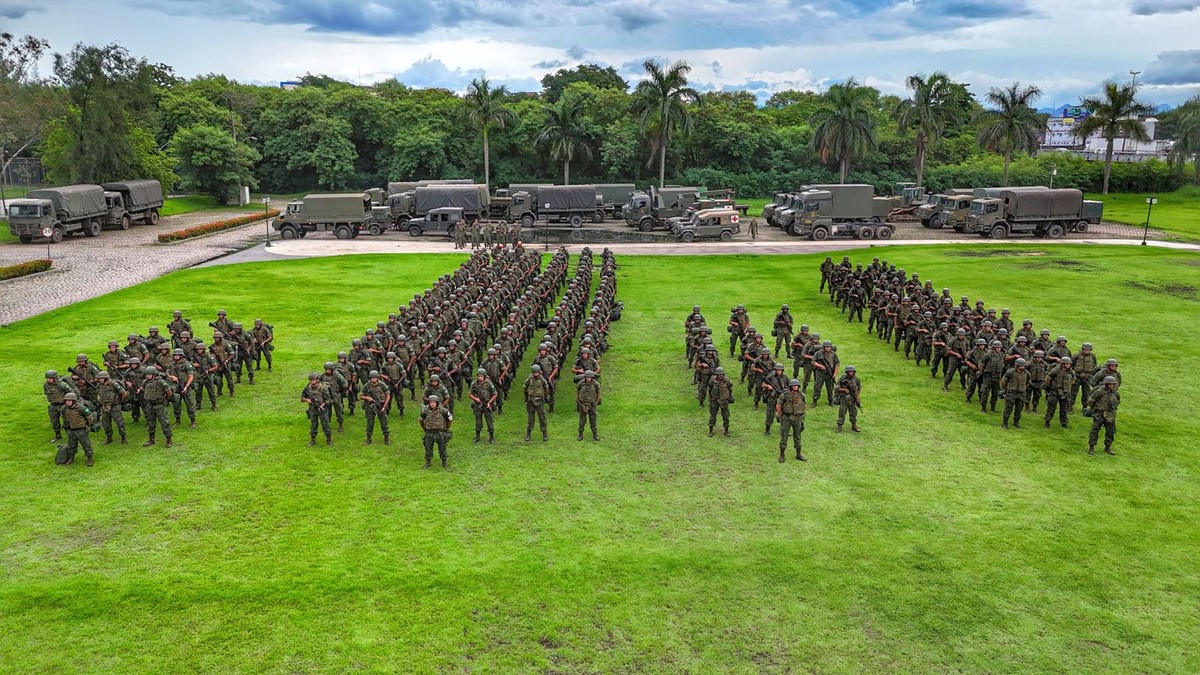
Rio de Janeiro Rises to the Challenge: Massive Mobilization for Rain-Affected Cities
Rio de Janeiro, a state renowned for its breathtaking landscapes and vibrant culture, recently faced a formidable challenge as a wave of intense rainfall swept across its municipalities. In a swift and decisive response, the Rio de Janeiro state government has launched a comprehensive mobilization effort, deploying over 60 specialized teams and more than 6,000 essential aid items. This large-scale operation is aimed at providing immediate relief, mitigating further risks, and supporting the recovery of communities in the cities affected by rains, showcasing a strong commitment to its citizens in times of crisis.
The coordinated response highlights the collaborative spirit between state and municipal authorities, with a clear focus on saving lives, ensuring public safety, and restoring normalcy. From clearing vital access routes to distributing crucial humanitarian aid, the efforts are multi-faceted, addressing both immediate needs and the broader implications of the recent deluges.
Rapid Response: On-the-Ground Mobilization & Emergency Operations
The immediate aftermath of the heavy rains saw a flurry of activity, with the state government, through its Civil Defense and other secretariats, dispatching critical resources to the most impacted areas. On Sunday, following the intense downpour on Saturday, over 60 machines and technical teams were deployed. Their mission was clear: reduce risks, rehabilitate affected zones, and minimize the damages caused by the widespread flooding and landslides.
Among the municipalities that received direct support were Itaperuna, São Fidélis, Paty do Alferes, Santa Maria Madalena, São Sebastião do Alto, Cambuci, Itaocara, Barra Mansa, Bom Jardim, Nova Iguaçu, and Mesquita. These teams focused on vital tasks such as clearing obstructed access points, removing significant amounts of debris, supporting drainage efforts, and initiating the recovery of various points severely impacted by the rainfall. A dedicated team was specifically sent to Nova Iguaçu, located in the Baixada Fluminense region, which was among the hardest hit and subsequently declared a state of emergency.
The Civil Defense and the Military Fire Department of Rio de Janeiro (CBMERJ) have been on maximum alert, with all units mobilized. This includes ground teams, vehicles, ambulances, boats, drones, and even aircraft, all working in unison. Since Friday, CBMERJ alone responded to over 100 rain-related occurrences, underscoring the severity and widespread nature of the incidents. This robust deployment ensures that help reaches those in need promptly, laying the groundwork for a more stable recovery.
Humanitarian Lifeline: Distributing Aid to Rain-Affected Cities
Beyond the critical on-the-ground cleanup and risk reduction, a significant humanitarian effort was simultaneously activated. The Secretariat of Social Development and Human Rights, via its Subsecretariat of Management of the Unified Social Assistance System, took the lead in distributing essential supplies to the cities affected by rains. More than 6,000 aid items were distributed to eight municipalities severely impacted by the recent deluges.
These crucial supplies reached residents in Paraty, Rio das Ostras, Rio Claro, Paty do Alferes, Itaperuna, São Sebastião do Alto, Cantagalo, and Porciúncula. The aid packages were tailored to meet immediate household needs, providing a much-needed lifeline to families displaced or otherwise affected by the floods. For instance:
- Paraty received over 300 cleaning kits, 300 basic food baskets, and 300 hygiene kits, providing comprehensive support to its residents.
- Rio das Ostras had 200 cleaning kits and 100 basic food baskets distributed, assisting families in their recovery efforts.
This proactive distribution of aid highlights the state's commitment to supporting the well-being and dignity of its citizens during challenging times. While monitoring the situation of the various municipalities, the state ensured that vital supplies were dispatched even as local needs assessments were ongoing, demonstrating a flexible and responsive approach to disaster relief.
Vigilance and Preparedness: Ongoing Monitoring and Risk Assessment
The state's response is not limited to immediate intervention; continuous monitoring and advanced warning systems are crucial in mitigating the impact of future events. In the 24 hours preceding the main mobilization, the State Secretariat of Civil Defense issued numerous alerts for intense rainfall and potential flooding in areas such as Nova Iguaçu, São Gonçalo, Petrópolis, Duque de Caxias, Belford Roxo, Niterói, Angra dos Reis, Nilópolis, São João de Meriti, and Mesquita.
Furthermore, 18 sirens were activated in at-risk zones across Petrópolis, Duque de Caxias, São João de Meriti, Rio de Janeiro city, and Mangaratiba, providing critical early warnings to residents. Despite the intensity of the weather, initial reports confirmed 52 rain-related occurrences without any recorded victims, a testament to the effectiveness of these early warning systems and rapid response protocols.
According to the State Center for Monitoring and Natural Disaster Alerts (Cemaden-RJ), unstable weather conditions were expected to persist, with isolated rain showers and lightning. This ongoing threat necessitates continuous vigilance. Several cities affected by rains remained under elevated risk assessments:
- Very High Hydrological Risk: Duque de Caxias
- High Hydrological Risk: Angra dos Reis, Nova Iguaçu, Mesquita, Belford Roxo, Nilópolis, São João de Meriti
- High Geological Risk (due to accumulated rainfall): Angra dos Reis, Nova Iguaçu, Belford Roxo, Mesquita
- Moderate Risk (Hydrological and/or Geological): Resende, Engenheiro Paulo de Frontin, Piraí, Mendes, Miguel Pereira, Paracambi, Seropédica, Itaguaí, Queimados, Japeri, Rio Claro, Magé, Cachoeiras de Macacu, Teresópolis, Nova Friburgo, São José do Vale do Rio Preto, Sumidouro, Sapucaia, Carmo, Itaperuna, Natividade, Varre-Sai, Porciúncula, São João de Meriti, and Nilópolis.
This detailed risk assessment allows authorities to strategically deploy resources and keep communities informed, empowering them to take necessary precautions.
Building Resilience: Beyond Immediate Relief for Rain-Affected Cities
While the immediate response to the recent deluges in Rio de Janeiro has been commendable, the recurring nature of such extreme weather events necessitates a forward-thinking approach. For the cities affected by rains, moving beyond crisis management to building long-term resilience is paramount. This involves a multi-pronged strategy encompassing infrastructure, community engagement, and policy reforms.
Practical Steps for Community and Government Resilience:
- Enhanced Urban Planning: Investing in robust drainage systems, especially in low-lying and densely populated areas, is critical. This includes permeable surfaces, retention basins, and regular maintenance of canals and storm drains to prevent blockages.
- Slope Stabilization and Reforestation: For areas prone to landslides, such as those with high geological risk, ongoing efforts in slope stabilization and reforestation are crucial. Native vegetation helps bind soil, reducing erosion and the risk of catastrophic land movements.
- Community Preparedness Programs: Empowering residents with knowledge is key. Local Civil Defense units should regularly conduct workshops on emergency preparedness, evacuation routes, and how to assemble basic emergency kits. This fosters a culture of readiness, particularly in communities identified as high-risk.
- Advanced Early Warning Systems: While sirens are effective, integrating them with SMS alerts, social media notifications, and local radio broadcasts can expand their reach and effectiveness. Continuous monitoring by agencies like Cemaden-RJ, combined with rapid dissemination of information, is vital.
- Sustainable Housing Solutions: Addressing informal settlements in high-risk zones requires long-term sustainable housing solutions and urban regeneration projects that prioritize safety and environmental considerations.
- Citizen Engagement: Encouraging citizens to report potential hazards, such as clogged drains or signs of soil instability, can provide valuable real-time data to authorities. Volunteer networks can also play a crucial role in post-disaster cleanup and support.
These proactive measures, alongside the strong immediate response demonstrated by the Rio de Janeiro state government, form the blueprint for a more resilient future. By learning from each event and continuously adapting strategies, the state can better protect its vibrant communities from the increasing challenges posed by climate change and extreme weather patterns.
Conclusion: A United Front for Recovery and Resilience
The recent mobilization in Rio de Janeiro state stands as a powerful testament to the government's unwavering commitment to its citizens. With over 60 teams on the ground and more than 6,000 humanitarian aid items distributed, the swift and coordinated response has been instrumental in addressing the immediate needs of the cities affected by rains. From clearing debris and supporting drainage to providing essential food and hygiene kits, every effort has been made to stabilize the situation and begin the journey toward recovery.
This comprehensive approach, combining rapid emergency operations with ongoing risk assessment and a forward-looking vision for resilience, showcases the collaborative spirit between state and municipal entities. As the clean-up efforts continue and communities begin to rebuild, the focus remains not only on immediate relief but also on strengthening infrastructure and preparedness to face future challenges. The spirit of solidarity and effective governance will undoubtedly guide Rio de Janeiro towards a safer and more resilient future for all its residents.