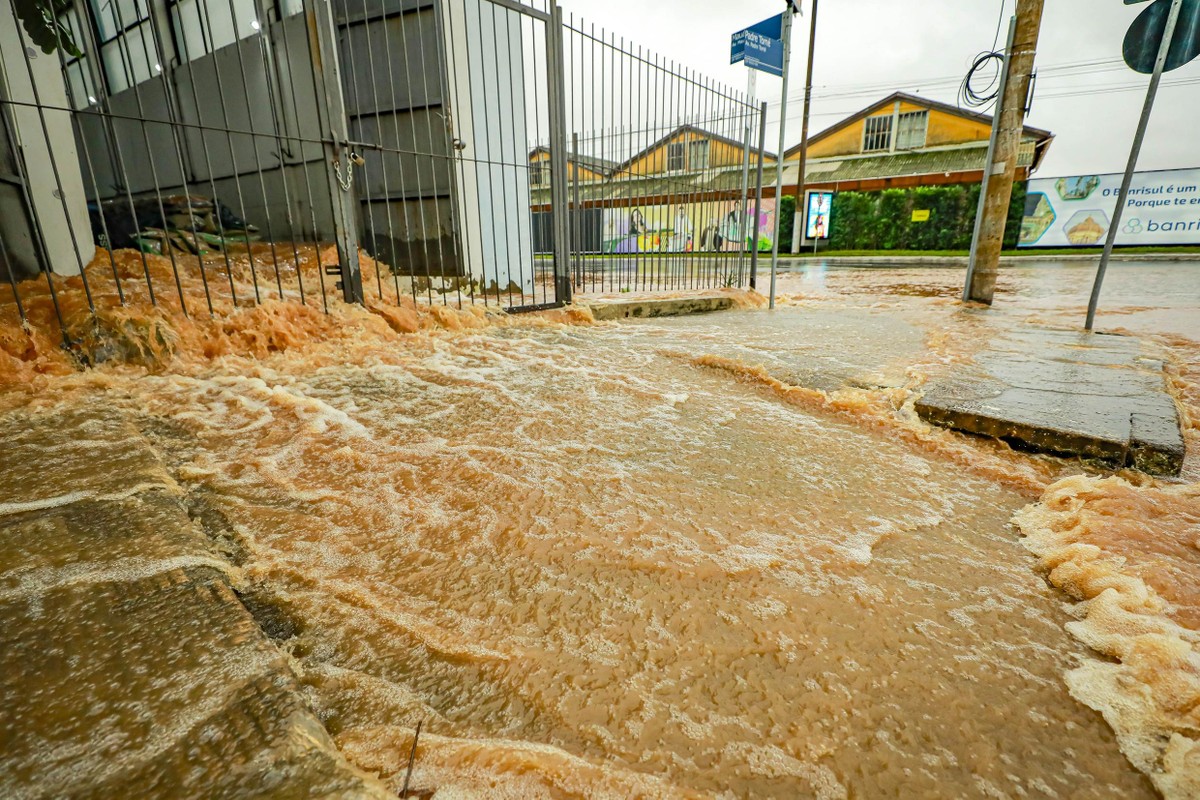
The state of Rio de Janeiro has once again found itself grappling with the destructive power of torrential rains. A recent wave of severe downpours swept across the region, prompting an urgent and extensive response from the state government. Dozens of communities, from the mountainous terrain to the coastal plains and the densely populated Baixada Fluminense, have been significantly impacted. In a rapid mobilization effort, authorities have dispatched critical aid, equipment, and personnel to numerous cidades afetadas chuvas, aiming to mitigate damages, assist residents, and support recovery efforts.
Swift Government Response: Mobilizing Aid for Flood-Stricken Municipalities
Following the intense rainfall that commenced on Saturday, January 21st, the Rio de Janeiro state government launched a comprehensive support operation. On Sunday, January 22nd, more than 60 machines and technical teams were immediately deployed to bolster local efforts in municipalities reeling from the storms. The primary objective of this swift mobilization was clear: to reduce immediate risks, facilitate the recovery of affected areas, and minimize the overall damage inflicted by the adverse weather.
Among the first communities to receive this critical assistance were Itaperuna, São Fidélis, Paty do Alferes, Santa Maria Madalena, São Sebastião do Alto, Cambuci, Itaocara, Barra Mansa, Bom Jardim, Nova Iguaçu, and Mesquita. These municipalities represent a diverse cross-section of the state, highlighting the widespread nature of the disaster. The focus of the deployed teams included crucial tasks such as:
- Desobstrução de Acessos: Clearing blocked roads and pathways to restore vital connectivity.
- Retirada de Entulhos: Removing debris and sediment left behind by floods and landslides.
- Apoio à Drenagem: Assisting in drainage efforts to reduce water levels and prevent further inundation.
- Recuperação de Pontos Impactados: Undertaking repairs and recovery work in areas directly hit by the deluge.
The coordination with municipal civil defense bodies has been paramount, ensuring that aid is delivered efficiently and tailored to specific local needs. Nova Iguaçu, situated in the Baixada Fluminense, emerged as one of the most severely impacted areas, leading its municipal government to declare a state of emergency. Such declarations are crucial for unlocking additional resources and streamlining disaster response. The overarching goal of this initial deployment, as detailed in reports, was to provide immediate relief and lay the groundwork for a more extensive recovery in the cidades afetadas chuvas.
Broader Emergency Response and Alert Systems
Beyond the immediate deployment of machinery and teams, the state's emergency services were on high alert. The Secretariat of State for Civil Defense managed numerous occurrences across the state within a 24-hour period. Intense rain and flood alerts were disseminated to municipalities including Nova Iguaçu, São Gonçalo, Petrópolis, Duque de Caxias, Belford Roxo, Niterói, Angra dos Reis, Nilópolis, São João de Meriti, and Mesquita. Furthermore, a vital measure to protect residents involved the activation of 18 sirens in high-risk zones across Petrópolis, Duque de Caxias, São João de Meriti, the capital city of Rio de Janeiro, and Mangaratiba. This proactive approach, while indicative of the severe threat, proved effective as 52 rain-related occurrences were registered without any reported victims.
Unpacking the Impact: Emergency Declarations and Ongoing Risks Across Rio
The severity of the recent rainfall has left a significant mark across Rio de Janeiro, prompting official emergency declarations and highlighting persistent natural disaster risks. The State Center for Monitoring and Alerts of Natural Disasters (Cemaden-RJ) has been instrumental in providing crucial forecasts, indicating continued instability with isolated rain showers and lightning expected. This ongoing threat underscores the importance of continuous vigilance and preparedness, particularly in geographically vulnerable areas.
The monitoring by Cemaden-RJ has specifically identified elevated risks for several communities:
- Very High Hydrological Risk: Duque de Caxias.
- High Hydrological Risk: Angra dos Reis, Nova Iguaçu, Mesquita, Belford Roxo, Nilópolis, and São João de Meriti. Hydrological risks primarily refer to dangers associated with overflowing rivers, flash floods, and general water accumulation.
- High Geological Risk: Angra dos Reis, Nova Iguaçu, Belford Roxo, and Mesquita. These risks, stemming from significant accumulated rainfall, warn of potential landslides and mudslides, especially in areas with steep slopes and informal settlements.
Such alerts are critical for residents in these cidades afetadas chuvas to take preventative measures and heed evacuation orders. The combination of intense precipitation and the state's complex topography, characterized by mountainsides, coastal areas, and dense urban development, frequently leads to these dual threats.
Moderate Risk Areas and the Broader Picture
Beyond the immediate high-risk zones, a considerable number of municipalities were placed under a moderate risk assessment. These include: Resende, Engenheiro Paulo de Frontin, Piraí, Mendes, Miguel Pereira, Paracambi, Seropédica, Itaguaí, Queimados, Japeri, Rio Claro, Magé, Cachoeiras de Macacu, Teresópolis, Nova Friburgo, São José do Vale do Rio Preto, Sumidouro, Sapucaia, Carmo, Itaperuna, Natividade, Varre-Sai, Porciúncula, São João de Meriti, and Nilópolis. While not as immediately critical, a moderate risk still necessitates caution and preparedness, as conditions can deteriorate rapidly with further rainfall.
The detailed risk mapping by Cemaden-RJ and the proactive alerts issued by the Civil Defense are vital tools for protecting lives and property. They enable authorities to pre-position resources and residents to prepare for potential impacts. Understanding the specific threats – whether from rising waters or unstable slopes – empowers communities to respond more effectively when heavy rains inevitably hit the region.
Humanitarian Aid and Supporting Communities Through Recovery
Beyond the immediate rescue and infrastructure recovery efforts, a crucial aspect of the government's response focuses on humanitarian aid and social support for those displaced or significantly affected by the floods. The Secretariat of Social Development and Human Rights, through its Subsecretariat of Management of the Unified Social Assistance System, has been diligently monitoring the situation in the cidades afetadas chuvas.
While initial reports indicated no formal requests for bulk supplies from municipalities, the situation quickly evolved, reflecting the dynamic nature of disaster response. As the full extent of the damage became clearer, the state government moved swiftly to distribute essential humanitarian aid. In a coordinated effort, over six thousand supplies were distributed to eight severely affected municipalities, providing much-needed relief to families grappling with losses. These include:
- Paraty
- Rio das Ostras
- Rio Claro
- Paty do Alferes
- Itaperuna
- São Sebastião do Alto
- Cantagalo
- Porciúncula
Specific examples of this aid highlight its practical value: Paraty received 300 cleaning kits, 300 basic food baskets, and 300 hygiene kits, addressing immediate needs for sustenance and sanitation. Similarly, Rio das Ostras had 200 cleaning kits and 100 basic food baskets distributed to its impacted families. This targeted distribution ensures that critical provisions reach those most in need, helping them to begin the arduous process of rebuilding their lives.
Ongoing Vigilance and Comprehensive Response
The regions most heavily impacted by accumulated rainfall between Friday and Saturday were the Metropolitan, Baixada Litorânea, and Serrana regions. This geographical spread further illustrates the challenge faced by authorities in coordinating a comprehensive response across diverse environments. Both the Civil Defense and the Fire Department maintain a state of maximum alert, with fully mobilized teams, vehicles, ambulances, vessels, drones, and even aircraft operational. The Fire Department, in particular, responded to over 100 rain-related occurrences since Friday, showcasing their unwavering commitment to public safety.
The provision of humanitarian aid is a critical component of disaster recovery, addressing not just immediate survival but also the dignity and well-being of affected populations. It prevents secondary crises by ensuring access to food, water, and hygiene, while also providing a sense of support and solidarity to communities in distress. This ongoing commitment to monitoring and support underscores the multi-faceted approach required to navigate the aftermath of such severe weather events in the cidades afetadas chuvas.
Navigating Future Challenges: Preparedness and Resilience for Rio's Vulnerable Regions
The recurrent nature of severe weather events in Rio de Janeiro, particularly during the summer months, underscores a critical need for enhanced long-term strategies focusing on preparedness and resilience. The state's unique geography – a blend of steep mountainsides, densely populated urban centers, and informal settlements (favelas) built on vulnerable terrain – amplifies the impact of heavy rains, leading to devastating floods and landslides.
Moving forward, a comprehensive approach is required, integrating urban planning, infrastructure development, and community engagement. Investing in resilient infrastructure, such as improved drainage systems, slope stabilization projects, and early warning technologies, is paramount. These preventative measures, though costly, prove invaluable in mitigating the extensive damage and human cost witnessed repeatedly. Furthermore, urban planning must prioritize the relocation of residents from high-risk areas, offering safer housing alternatives and support systems.
Practical Tips for Residents in Vulnerable Areas:
- Stay Informed: Monitor official weather alerts from Defesa Civil and local news. Utilize SMS alert services provided by authorities.
- Prepare an Emergency Kit: Assemble a kit with essential documents, non-perishable food, water, medications, a first-aid kit, flashlight, batteries, and a power bank.
- Know Your Evacuation Route: Identify the safest routes to higher ground or designated shelters in your community. Practice these routes with your family.
- Protect Your Home: If possible, secure loose outdoor items, clear gutters, and consider sandbags if your property is prone to flooding.
- Do Not Drive or Walk Through Floodwaters: Just six inches of moving water can knock an adult down, and twelve inches can carry away a car. Floodwaters may also conceal hazards like open manholes or live electrical wires.
- After the Flood: Only return home when authorities declare it safe. Be wary of structural damage, gas leaks, and contaminated water.
Insights for Authorities and Community Leaders:
- Continuous Monitoring and Research: Leverage institutions like Cemaden-RJ for advanced meteorological and geological monitoring to refine risk maps and early warning systems.
- Community Engagement and Education: Regularly conduct drills and educational campaigns to empower residents with knowledge and practical skills for disaster preparedness.
- Investment in Sustainable Solutions: Prioritize green infrastructure, such as permeable pavements and urban greening, which can help manage stormwater naturally.
- Inter-Agency Coordination: Foster seamless collaboration between state, municipal, and non-governmental organizations to ensure a unified and effective response.
- Mental Health Support: Recognize the psychological toll of disasters and integrate mental health services into recovery plans.
By adopting these proactive strategies, Rio de Janeiro can work towards building greater resilience against the destructive forces of nature, safeguarding its communities, and ensuring that future generations are better prepared to face the challenges posed by climate change and extreme weather events in its cidades afetadas chuvas.
Conclusion
The recent deluge in Rio de Janeiro serves as a stark reminder of the persistent vulnerability of many communities to extreme weather. The swift and comprehensive response from the state government, dispatching critical aid, machinery, and humanitarian supplies to dozens of cidades afetadas chuvas, has been instrumental in minimizing casualties and initiating recovery. From immediate rescue efforts by the Fire Department and Civil Defense to the provision of essential supplies by the Social Development Secretariat, a multi-faceted approach is clearly underway. While the immediate crisis subsides, the ongoing high hydrological and geological risks in various municipalities underscore the need for sustained vigilance. Ultimately, building a resilient future for Rio's vulnerable populations hinges on continuous investment in infrastructure, refined early warning systems, and robust community preparedness, ensuring that both authorities and citizens are equipped to face the challenges of a changing climate.